
Science can carve out common ground that politics cannot seem to hold, and the 2026 World Science Day for Peace and Development makes that case. Observed on November 10 under the theme "Common ground through science diplomacy," the occasion points to two recent efforts — one regional, one between two countries — that put the idea into practice.
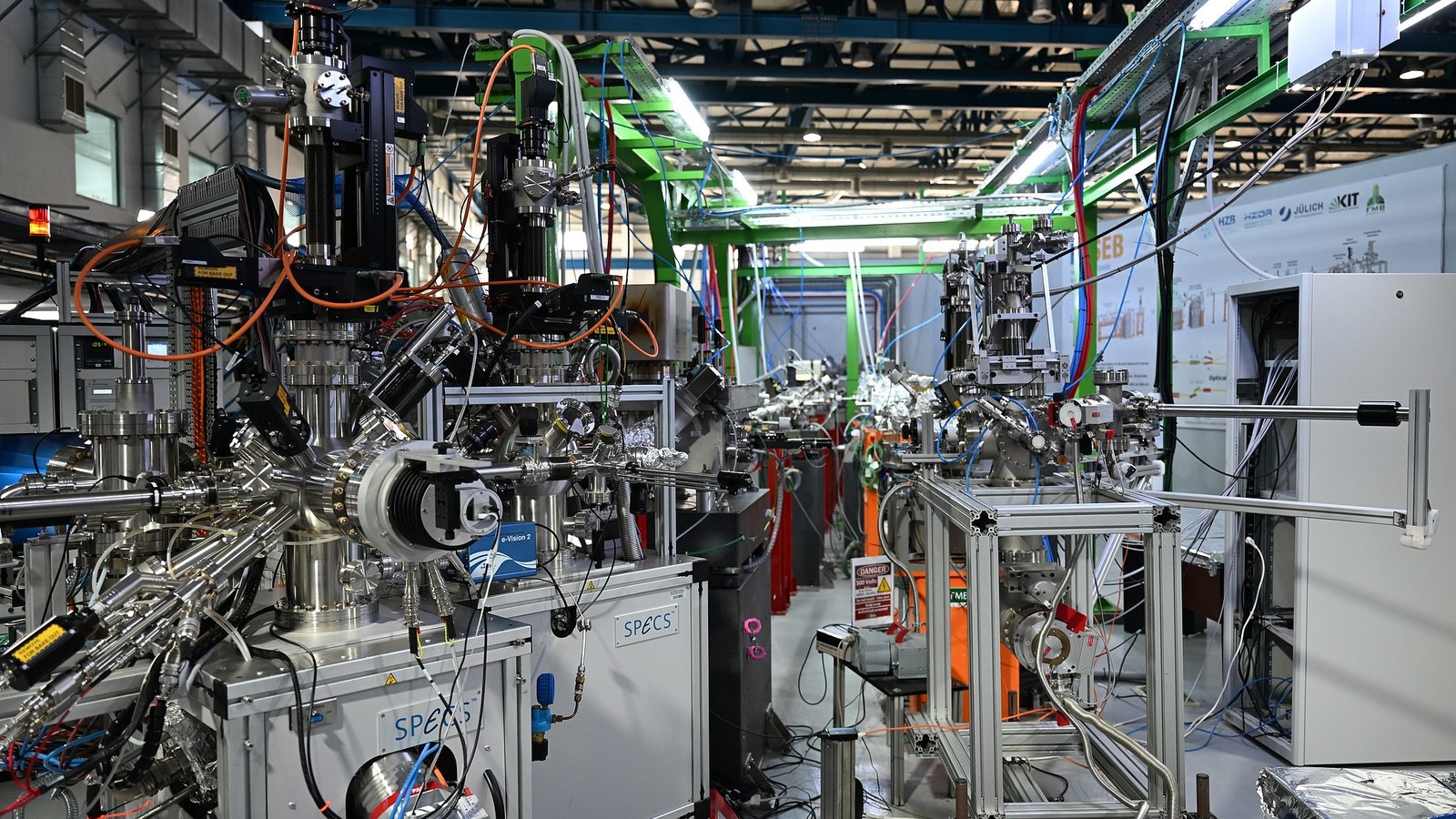
The regional one sits in Jordan. SESAME, the Synchrotron-light for Experimental Science and Applications in the Middle East, has run since 2017 as the only synchrotron light source in the region. Its members are Cyprus, Egypt, Iran, Israel, Jordan, Pakistan, Palestine and Türkiye — a list that takes in states frequently at odds over conflict — and still they pay into the facility together and share its use.
In November 2025, the UK's national synchrotron, Diamond Light Source, welcomed a SESAME delegation and locked in a substantial technical contribution: equipment that will let SESAME construct a new beamline. Professor Dame Angela McLean, chief scientific adviser to the UK Government, addressed that gathering. Collaboration across borders on facilities such as SESAME, she said, "benefits all members," and such sites serve as hubs for training, technology development and science diplomacy, opening access to capabilities that "no country could achieve alone."
The second example is out of Beijing. On October 29, the Chinese Academy of Sciences and the German National Academy of Sciences Leopoldina put their names to the "SfF2026 Declaration on Climate, Health and Biodiversity" at the third Science for Future conference. Under the declaration, both academies commit to joint research into health risks tied to climate and to "the equitable exchange of data and the responsible use of modern technologies."
Neither effort will make geopolitical tensions evaporate. Taken together, though, they show what science diplomacy has to offer: infrastructure held in common, evidence held in common, and a common stake in problems that no country can tackle on its own. The 2026 theme is not wishful language. It names work that is already happening.